Retaining Your Best Chefs in a Competitive Market
In the ever-changing landscape of the hospitality industry, attracting and retaining talented chefs is more crucial than ever. Recently, many establishments have found themselves engaged in a fierce competition for skill...
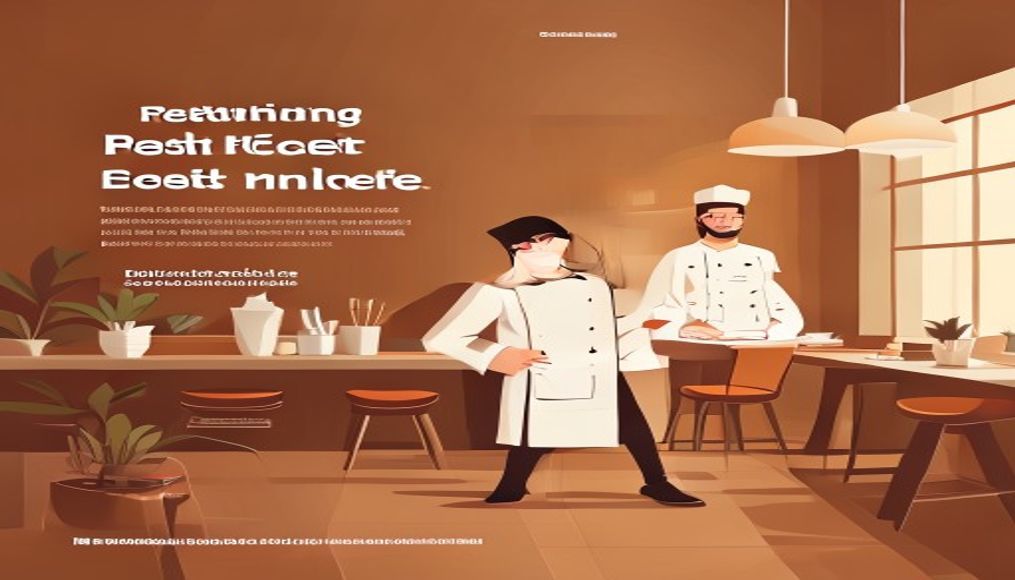
To retain your best chefs in a competitive market, create a positive work environment by encouraging open communication, promoting work-life balance, and recognizing achievements, while also investing in their professional development through training opportunities and mentorship programs, and ensuring competitive compensation packages that reflect their skills and efforts.
Retaining Your Best Chefs in a Competitive Market
In the ever-changing landscape of the hospitality industry, attracting and retaining talented chefs is more crucial than ever. Recently, many establishments have found themselves engaged in a fierce competition for skilled culinary professionals. The good news is that by implementing a few strategic practices, you can cultivate a work environment that keeps your best chefs satisfied and committed. In this article, we will explore practical tips to help you retain your culinary talent while utilizing tools like Rotahr to streamline staffing, bookings, and payroll management.
Foster a Positive Work Environment
One of the primary reasons chefs leave their positions is a negative work environment. Creating a supportive and inclusive atmosphere can directly impact staff retention. Here are several ways to foster a positive work environment:
-
Encourage Open Communication: Make it a point to establish clear channels of communication. Allow your chefs to express their concerns or suggest new ideas. Regular team meetings and check-ins can go a long way in ensuring everyone feels heard.
-
Promote Work-Life Balance: Chefs often work long hours under pressure, which can lead to burnout. Consider offering flexible scheduling options through tools like Rotahr, which can help balance workloads and give staff the breathing room they need.
-
Recognize and Celebrate Achievements: Whether it’s a successful dinner service or a new dish that’s well-received, taking the time to acknowledge accomplishments can motivate chefs. Regularly praise their efforts and consider implementing an employee recognition program.
Invest in Professional Development
Chefs are passionate about their craft and often seek opportunities for growth. As an employer, investing in their professional development can enhance their loyalty to your establishment. Here’s how you can do it:
-
Provide Training Opportunities: Offer ongoing training sessions or workshops, whether they are industry-related or focused on personal development. You might even consider sponsorship for external courses or certifications.
-
Encourage Culinary Creativity: Allow your chefs the freedom to experiment with their culinary creations. Implement a “special of the month” program that grants them the opportunity to showcase their innovative dishes.
-
Mentorship Programs: Pairing less experienced chefs with seasoned professionals can foster a sense of community and encourage knowledge sharing, making the workplace more engaging.
Competitive Compensation and Benefits
While passion and job satisfaction are essential, employees also respond well to competitive compensation and benefits that reflect their skills and efforts. Here are key considerations:
-
Review Compensation Packages: Look at your pay scale and ensure it is competitive within your local market. Research prevailing wages and consider factors like skill level and experience. Keep in mind that regulations regarding pay vary by country and can change over time, so it’s essential to stay informed.
-
Offer Incentives: Consider performance-based bonuses, special event pay, or profit-sharing schemes to incentivize hard work. Small rewards for staying with your restaurant can also go a long way in retaining talent.
-
Benefits Beyond Pay: Health insurance, paid time off, and retirement savings plans can make your establishment more attractive. These benefits can significantly impact a chef's decision to stay long-term.
Utilize Technology to Streamline Operations
In the competitive hospitality industry, tech tools can simplify operations and improve staff management. This is where Rotahr comes in. By using a comprehensive scheduling and payroll tool like Rotahr, you can manage shifts and payroll with greater efficiency. Here’s how:
-
Simplified Scheduling: Rotahr allows you to create and modify schedules quickly, ensuring you can address any last-minute changes smoothly. This flexibility can prevent burnout and help your staff feel more in control of their schedules.
-
Accurate Payroll Processing: Ensuring that your chefs are paid accurately and on time is crucial. Rotahr’s payroll features can automate calculations, reducing discrepancies and enhancing trust among your staff.
-
Analytics for Improvement: Use Rotahr’s analytics to gather insights into employee performance and turnover rates. Understanding why staff leave can help you make informed decisions about improvements.
Worked Example
Let’s consider a hypothetical scenario for a medium-sized restaurant in the UK with 25 staff members.
-
Staff Scheduling: Using Rotahr, the restaurant sets up a monthly schedule for its chefs. With 25 staff members, the restaurant can choose the Pro plan at EUR 119/month. This allows for easy shift swaps and management of availability.
-
Payroll Management: The restaurant processes payroll every two weeks. With Rotahr, it automates payroll calculations, ensuring all chefs are paid accurately without discrepancies. For a monthly payroll, let’s say the total payroll for the chefs is EUR 8,000 (this includes all salaries and bonuses).
-
Staff Training: The restaurant invests EUR 500 per quarter in training workshops for its chefs. This investment enhances skills and boosts morale.
-
Retention Strategy: By implementing a recognition program, the restaurant sees a 20% increase in chef satisfaction, leading to a decrease in turnover from 30% to 15% annually.
In this example, the restaurant not only invests in technology but also in its people, resulting in a more stable and satisfied workforce.
Copyable Checklist for Retaining Chefs
-
Foster Open Communication
- Schedule regular team meetings
- Create anonymous feedback channels
-
Promote Work-Life Balance
- Implement flexible scheduling
- Monitor staff hours to prevent burnout
-
Invest in Professional Development
- Allocate budget for training and workshops
- Establish mentorship pairings
-
Offer Competitive Compensation
- Review and adjust pay scales regularly
- Provide performance-based incentives
-
Utilize Technology
- Implement Rotahr for scheduling and payroll
- Use analytics for employee performance insights
Common Mistakes
-
Ignoring Staff Feedback
- Consequence: Chefs feel undervalued and may leave.
-
Neglecting Work-Life Balance
- Consequence: Increased burnout leads to high turnover rates.
-
Underestimating Training Needs
- Consequence: Chefs feel stagnant, leading to dissatisfaction and potential departures.
-
Failing to Recognize Achievements
- Consequence: Lack of motivation and engagement among staff.
-
Inconsistent Compensation Reviews
- Consequence: Pay may fall behind industry standards, causing chefs to seek better opportunities.
Conclusion
In today’s competitive market, restaurant, bar, and hotel owners must prioritize the retention of their skilled chefs. By fostering a positive work environment, investing in professional development, offering competitive compensation, and utilizing technology like Rotahr, you can create an attractive workplace that encourages your culinary talent to stay committed. Remember, it's not just about attracting the best chefs; it's also about keeping them happy and motivated within your establishment. By implementing these strategies, you'll be well on your way to building a dedicated culinary team that contributes to your establishment's ongoing success.
Related: How to Create a Positive Work Environment
The Importance of Training in the Hospitality Industry
Learn more about how Rotahr can help streamline your operations: Rotahr
Free templates for this
Printable PDF and editable Excel. No email address, no sign-up.
All free templates →Try Rotahr free for 3 months
Built for restaurants, bars and hotels. No credit card needed.
Start Free Trial